

Hey there! As a bearing roller inspection supplier, I've seen firsthand how crucial it is to accurately inspect the load - carrying capacity of bearing rollers. Today, I'm gonna share some tips and insights on this topic.
First off, let's understand why load - carrying capacity inspection is so important. Bearing rollers play a vital role in countless mechanical systems, from small motors to heavy - duty industrial machinery. If a roller can't handle the load it's supposed to, it can lead to premature wear, mechanical failures, and in worst - case scenarios, endanger the safety of operators. So, getting this right is non - negotiable.
Visual Inspection
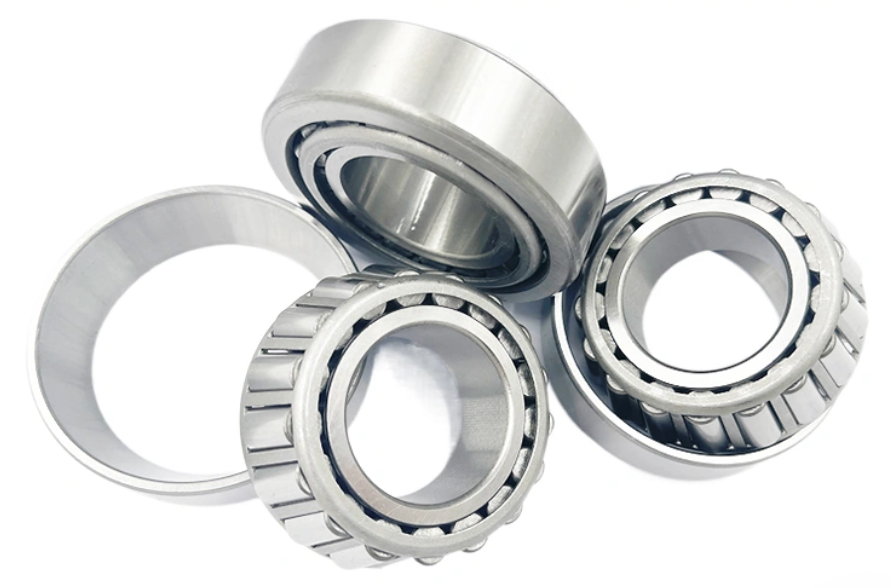
The first step in inspecting bearing rollers is a good old - fashioned visual inspection. You'd be surprised at how much you can learn just by looking closely. Check for any visible cracks, chips, or deformities on the surface of the roller. These defects can significantly reduce the load - carrying capacity of the roller. For example, a small crack can act as a stress concentration point, causing the roller to fail under load much earlier than expected.
Also, look at the finish of the roller. A rough or uneven surface can cause uneven contact with other components in the bearing, leading to higher stress in certain areas. This can lead to premature wear and a decrease in load - carrying capacity. If you notice any issues during the visual inspection, it's a red flag that further testing might be needed.
Dimensional Inspection
Next up is dimensional inspection. The size and shape of a bearing roller are critical factors in determining its load - carrying capacity. Use precision measuring tools like calipers, micrometers, and gauges to check the diameter, length, and roundness of the roller. Even a small deviation from the specified dimensions can have a big impact on performance.
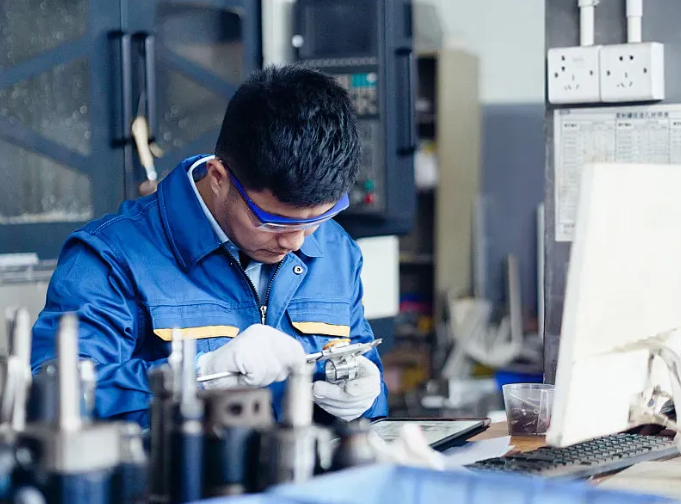
For example, if a roller is slightly out of round, it won't distribute the load evenly across its surface. This can cause excessive stress on certain parts of the roller, leading to localized wear and a reduced load - carrying capacity. Similarly, if the diameter is off, it can affect the fit of the roller in the bearing assembly, which can also lead to problems.
Material Analysis
The material of the bearing roller is another key factor in its load - carrying capacity. Different materials have different strengths, hardness, and fatigue resistance. We often use methods like spectroscopy and hardness testing to analyze the material of the roller.
Spectroscopy can tell us the exact chemical composition of the material. This is important because the presence of certain elements in the wrong proportions can weaken the material. For example, too much carbon in a steel roller can make it brittle, reducing its ability to withstand high loads without cracking.
Hardness testing, on the other hand, gives us an idea of how resistant the material is to deformation. A roller that is too soft may deform under load, while one that is too hard may be prone to cracking. By ensuring that the roller has the right hardness, we can optimize its load - carrying capacity.
Load Testing
To really get an accurate picture of the load - carrying capacity of a bearing roller, load testing is essential. There are different types of load tests we can perform, such as static load testing and dynamic load testing.
In static load testing, we apply a gradually increasing load to the roller until it reaches its maximum capacity or shows signs of failure. This gives us a clear indication of the roller's static load - carrying capacity. Dynamic load testing, on the other hand, simulates the actual operating conditions of the roller, including factors like rotational speed and vibration. This type of testing is more realistic but also more complex.
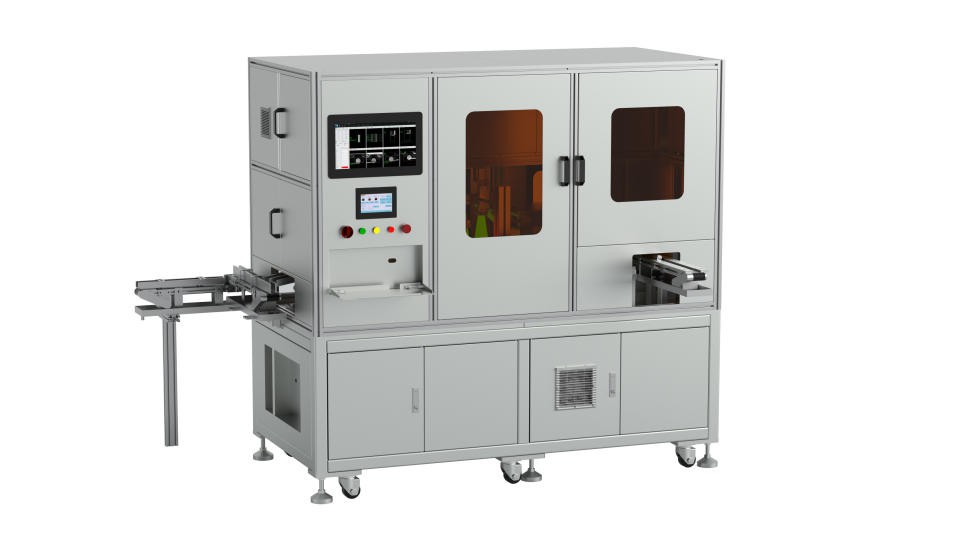
At our company, we use advanced testing equipment to conduct these load tests. And we have different models of inspection machines for different types of bearing rollers. For instance, the Model 1226 Bearing Roller Inspection is great for medium - sized rollers, while the Model 0510 Bearing Roller Inspection is more suitable for smaller ones. If you're dealing with large - scale industrial rollers, the Model 3080 Bearing Roller Inspection might be the one for you. We also have the Model 0920 Bearing Roller Inspection and Model 0715 Bearing Roller Inspection for various other roller sizes and requirements.
Fatigue Testing
In addition to load testing, fatigue testing is also important. Most bearing rollers are subjected to repeated loading and unloading cycles during their operation. Over time, this can cause fatigue cracks to develop, which can ultimately lead to failure. Fatigue testing involves applying a cyclic load to the roller and monitoring it for signs of fatigue.
We use specialized equipment to control the frequency and amplitude of the cyclic load. By analyzing the results of fatigue testing, we can predict the service life of the roller under normal operating conditions. This information is extremely valuable for manufacturers, as it allows them to make informed decisions about maintenance schedules and replacement intervals.
The Role of Data Analysis
Once we've gathered all the inspection data, data analysis comes into play. We use sophisticated software to analyze the data and identify any trends or patterns. For example, if we notice that a particular batch of rollers consistently shows lower load - carrying capacity results, we can dig deeper to find out the root cause. Maybe there's an issue with the manufacturing process or the raw materials.
Data analysis also helps us to continuously improve our inspection methods. By learning from past results, we can refine our testing procedures and ensure that we're providing the most accurate and reliable inspection services.
Final Thoughts and Call to Action
In conclusion, inspecting the load - carrying capacity of bearing rollers is a multi - step process that involves visual inspection, dimensional checks, material analysis, load testing, and fatigue testing. At our company, we're committed to providing top - notch inspection services to ensure the quality and reliability of your bearing rollers.
If you're in the market for bearing roller inspection or have any questions about load - carrying capacity testing, don't hesitate to reach out. We're here to help you make the best decisions for your business. Whether you're a small - scale manufacturer or a large industrial enterprise, we have the expertise and the right inspection equipment to meet your needs.
References
- "Bearing Design and Application Handbook"
- "Materials Science for Engineers"
- Industry - specific technical reports on bearing roller testing and inspection.